
Even when it’s the most important piece
I can’t remember exactly what it was, but years ago I read a piece by someone who had chosen to stop drinking. She wrote about how, when she first started her no-drinking journey, she expected the elimination of alcohol to solve the rest of her issues.
If she wasn’t drinking, she figured, she wouldn’t be as tired or foggy. She’d stick to a schedule, work out, eat right, make better decisions, succeed professionally, and be smarter with money.
And while some of those things did happen, they didn’t happen all at once—and certainly not in the way she had imagined would bring lasting peace.
In short: eliminating alcohol didn’t eliminate the struggle.
Even if it did make life a whole lot lovelier.
I can already feel myself getting into trouble—or causing someone else some unease—by drawing any comparison between a late-stage cancer journey and alcohol use.
That’s not my intention.
I’m not here to trigger or minimize anyone else’s experience.
I’m just here to share a few truths.
Truths from someone who has both chosen to live alcohol-free and who carries a Stage IV Melanoma diagnosis.
Alcohol left my life—or rather, I let it go—long before cancer entered the picture.
Years before.
By the time I reached my early 40s, it was clear (to me) that alcohol wasn’t doing anything positive for my life.
What started as a “dry season,” a challenge to myself, became a lifestyle.
And it turns out, I like it.
Yes, giving up alcohol eliminated hangovers and hangxiety.
But I hadn’t set out expecting it to magically fix my financial, emotional, physical, or spiritual struggles.
(Okay—maybe that’s not entirely true.
I did have this small, persistent hope that it would at least contribute something positive to my physical health.)
This is part of why, when I found myself awaiting emergency brain surgery—and a Stage IV Melanoma diagnosis that had spread to my lungs, liver, lymph nodes, and brain—after three years without alcohol and no visible signs of disease, I was furious.
The brain surgery couldn’t have gone better.
The double high-dose immunotherapy that followed was crushing on my system.
Still, after three months of treatment, my scans showed only evidence of healing in my brain and what looks like scar tissue in my lungs and liver.
No evidence of disease in my lymph nodes.
I have a thirteen-year-old son.
All of my parents are still alive.
I’m the oldest of four sisters.
I’m blessed with an ex-husband who will always be family—and a boyfriend who treats me like a unicorn (that is to say, magical and rare).I have a gaggle of colleagues, teachers, mentors, and friends—some brand new, met only because of cancer—who have become treasured family.
And when I think about all of these extraordinary people and all the remarkable experiences of knowing and loving them, it fills me with gratitude.
But it also creates a kind of longing—a feeling that can slip into sadness, confusion, and a fear that isn’t always as… inspiring as I wish it would be.
I get scared about how to spend my time.
Scared that it might still be so limited.
Scared that wrong decisions might not come with the chance to reverse or reconcile.
On those days, I do my best to focus on smaller things:
Another load of laundry.
Whether I’ve eaten anything.
Whether I’ve written a few words, walked a few steps.
I do those things with whatever peace I can muster.
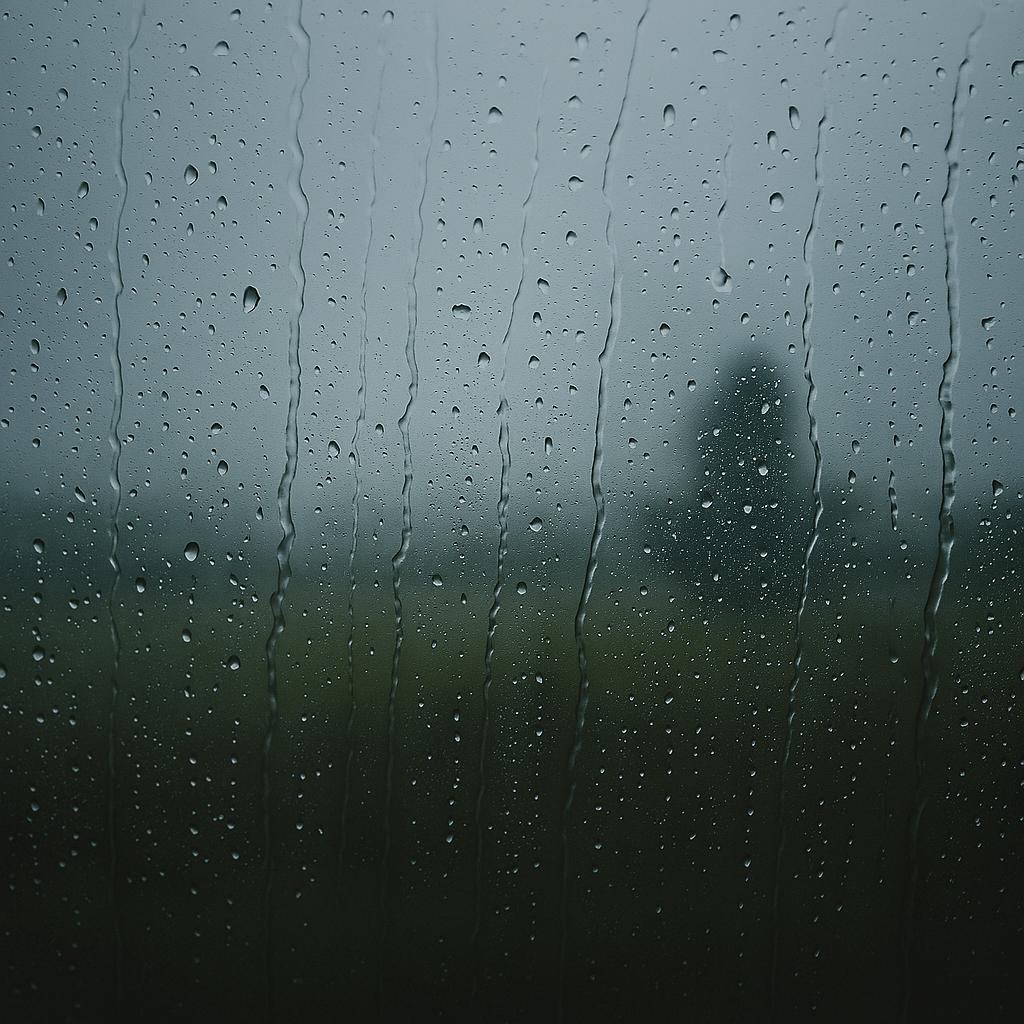
And some days—especially the rainy ones, the ones that feel like it’s been raining forever—peace feels a little more elusive.
So, while I am deeply grateful not to be currently undergoing treatment, I still find it difficult, sometimes, to do much more than go through the motions.
 amandathanks